How Ambient IoT Is Reshaping Warehouse and Supply Chain Visibility in 2026
Walmart's partnership with Wiliot and AT&T is bringing ambient IoT — battery-free, AI-powered sensing — to supply chains worldwide. Here's what warehouse and logistics leaders need to know.
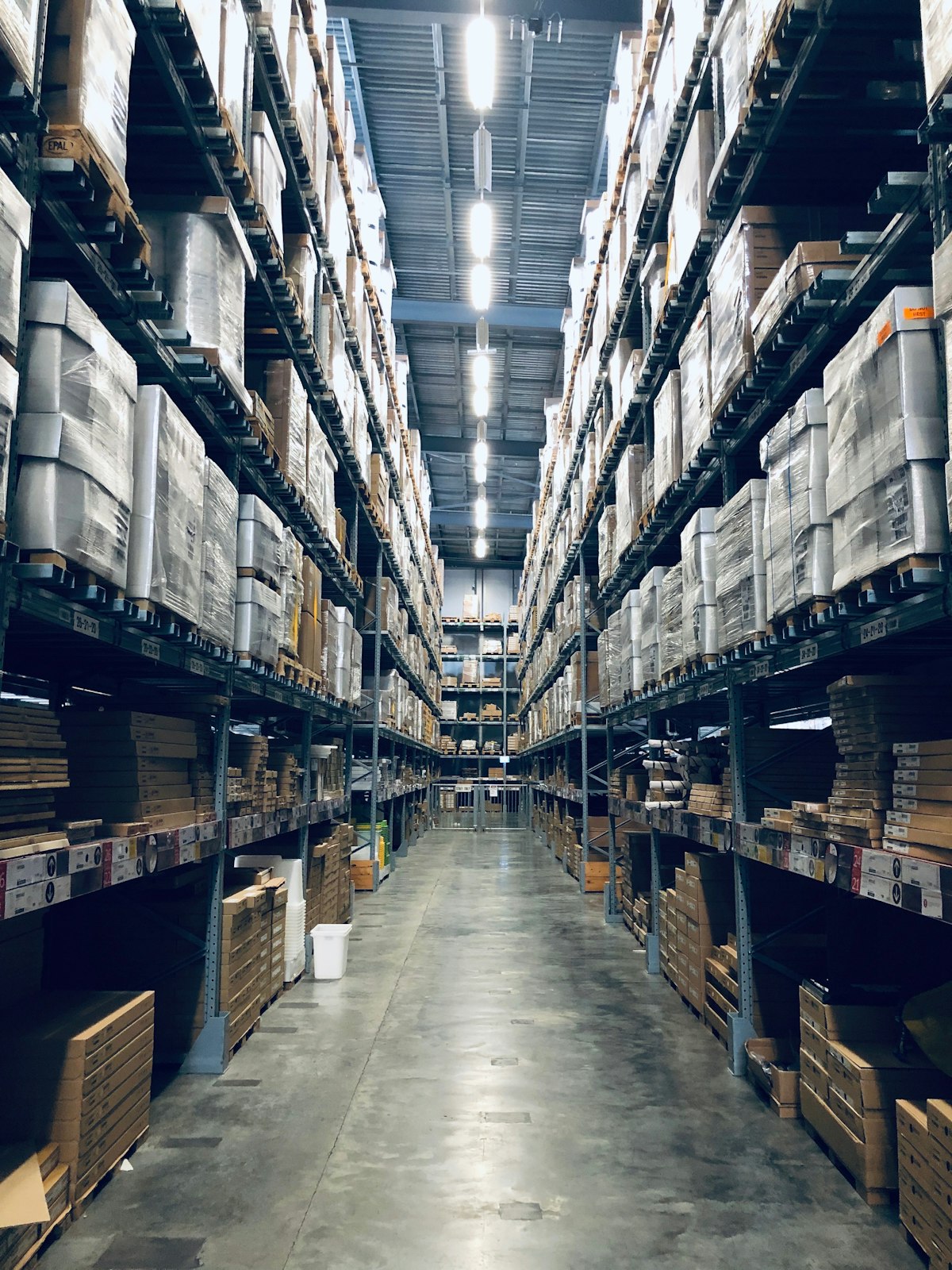
The supply chain just took its biggest step toward true end-to-end visibility. In late May 2026, Walmart announced a large-scale deployment of ambient IoT sensors across its retail network — a first for a major global retailer. The sensors, powered by Wiliot’s battery-free Bluetooth Low Energy (BLE) technology, track the location, temperature, and condition of every product without any human intervention. This is not a pilot program. It is a signal that ambient IoT has moved from hype to hard ROI.
What Is Ambient IoT?
Ambient IoT refers to ultra-low-cost, self-powered sensing labels that harvest energy from radio waves or ambient light rather than requiring batteries. Wiliot’s tags use BLE to communicate with existing infrastructure, while AT&T’s network integration extends that communication from the warehouse to the cloud. The result is a continuous, real-time data stream about every item in motion — from the factory floor to the retail shelf.
Unlike traditional RFID, which requires deliberate scanning, ambient IoT is always on. Unlike conventional IoT sensors, these tags cost pennies and require zero maintenance. The convergence of cost, coverage, and intelligence is what makes 2026 a turning point.
Why It Matters for Warehouses Now
The timing is no coincidence. Warehouse operators are facing tariffs, labor shortages, and volatile demand that flip forecasts inside days. According to MarketsandMarkets, the global RFID market is projected to reach $30.47 billion by 2034 — and ambient IoT is expected to capture a disproportionate share of that growth because it eliminates the cost and complexity of battery management.
The immediate warehouse benefits are clear:
- Real-time inventory accuracy without cycle counting
- Cold chain compliance with automated temperature alerts
- Theft and loss reduction via continuous presence monitoring
- Predictive replenishment powered by AI models consuming live BLE data
From Data to Action: The Missing Link
Collecting sensor data is the easy part. Converting that data into operational decisions — fast — is where most organizations fall behind. This is where purpose-built platforms like Inventrack bridge the gap.
Inventrack 05 WMS ingests live BLE, RFID, and IoT feeds to build a real-time digital twin of the warehouse. Instead of managing stock levels from yesterday’s spreadsheet, operators act on what is happening right now. Inventrack 01 Asset Management extends this visibility to high-value tools, pallets, and returnable containers. Inventrack 06 Checklist turns IoT-triggered events into structured workflows — for example, automatically routing a temperature excursion alert to the quality team’s checklist.
For workforce coordination, Inventrack 08 People Tracking integrates with the same BLE infrastructure to monitor staff zones and safety compliance without separate hardware. And Inventrack 03 MES connects real-time warehouse data to downstream manufacturing execution, so production lines can react the moment raw materials arrive.
The Bigger Picture
Walmart’s move will create competitive pressure. Suppliers to Walmart will need ambient IoT readiness. Competitors will accelerate their own traceability investments. And enterprises not yet digitised will find themselves locked out of fast-moving retail and automotive supply networks.
The question is no longer whether to adopt real-time supply chain sensing. It is whether your software infrastructure can turn that flood of new data into faster decisions at lower cost. Platforms built on open, real-time data models — like the Inventrack suite — are designed exactly for this inflection point.
Ready to move from static inventory to live supply chain visibility? Explore Inventrack solutions and see how real-time data transforms operations without the complexity.
Ready to Transform Your Operations?
Discover how Intensecomp's RFID and IoT solutions can streamline your asset management.
Share this article
Related Articles
From RFID Reads to AI Ready: How IoT Data Aggregation Powers LLM-Driven Warehouse Intelligence
Discover how raw RFID reads and BLE scans collected in warehouse management systems are transformed into structured datasets that power LLM training and AI-driven operational intelligence.
RFID Meets Sustainability: How Smart Packaging Is Driving the Circular Economy in 2026
From battery-free IoT pixels to reusable packaging tracking and fresh-food waste reduction, RFID is becoming the backbone of sustainable supply chains. We explore the breakthroughs reshaping packaging in 2026.
Digital Twins Meet the Warehouse Floor: How RFID and IoT Data Bring Virtual Replicas to Life
Learn how digital twin technology powered by RFID tags and IoT sensors is transforming warehouse operations with real-time simulation, predictive optimization, and scenario testing.